

StandOnIt brings together a Sadhu nail board, a 21-day audio course and an immersive online platform to practise noticing your reactions and choosing what to do next.
About 15 minutes per lesson. Complete kits from €200. 11 beta places in Luxembourg.
StandOnIt brings together a Sadhu nail board, a 21-day audio course and an immersive online platform to practise noticing your reactions and choosing what to do next.
About 15 minutes per lesson. Complete kits from €200. 11 beta places in Luxembourg.
StandOnIt brings together a Sadhu nail board, a 21-day audio course and an immersive online platform to practise noticing your reactions and choosing what to do next.
About 15 minutes per lesson. Complete kits from €200. 11 beta places in Luxembourg.
Everything in you
will want to step off.
Under pressure. Choose your next move.
Everything in you
will want to step off.
Under pressure. Choose your next move.
Everything in you
will want to step off.
Under pressure. Choose your next move.
HEAD
Bring the practice back into the body.
Board included. 21-day audio path. Pattern Map after.
When thinking more no longer helps.
Meditation feels too passive. Scrolling does not rest you. The loop keeps running.
Not a board to own.
A practice to return to.
Not a board to own.
A practice to return to.
Not a board to own. A practice to return to.
The point is to return often enough that your response to pressure begins to change.
The point is to return often enough that your response to pressure begins to change.
During the practice, you pay attention to what you notice: tension, a thought, an emotion or the urge to step off. The audio guides you through the experience, including preparation and recovery. You can adjust or stop.
Afterwards, the platform offers a short check-in. Across the course, your saved responses give you something to look back on: what you noticed, which choices you made and what you would like to try again.
Each lesson takes around 15 minutes in total.
During the practice, you pay attention to what you notice: tension, a thought, an emotion or the urge to step off. The audio guides you through the experience, including preparation and recovery. You can adjust or stop.
Afterwards, the platform offers a short check-in. Across the course, your saved responses give you something to look back on: what you noticed, which choices you made and what you would like to try again.
Each lesson takes around 15 minutes in total.
During the practice, you pay attention to what you notice: tension, a thought, an emotion or the urge to step off. The audio guides you through the experience, including preparation and recovery. You can adjust or stop.
Afterwards, the platform offers a short check-in. Across the course, your saved responses give you something to look back on: what you noticed, which choices you made and what you would like to try again.
Each lesson takes around 15 minutes in total.
The thinking behind the practice.
StandOnIt gives you a structured way to pay attention to a physical experience and reflect on your response. The course includes noticing sensations, naming emotions and choosing a next action. Research into emotion labelling and habit formation informs the design. Ideas from James Clear’s Atomic Habits also shaped the structure: a familiar cue, small actions and a routine you can return to. These ideas inform the programme. The complete StandOnIt method has not been clinically validated.
The thinking behind the practice.
StandOnIt gives you a structured way to pay attention to a physical experience and reflect on your response. The course includes noticing sensations, naming emotions and choosing a next action. Research into emotion labelling and habit formation informs the design. Ideas from James Clear’s Atomic Habits also shaped the structure: a familiar cue, small actions and a routine you can return to. These ideas inform the programme. The complete StandOnIt method has not been clinically validated.
The thinking behind the practice.
StandOnIt gives you a structured way to pay attention to a physical experience and reflect on your response. The course includes noticing sensations, naming emotions and choosing a next action. Research into emotion labelling and habit formation informs the design. Ideas from James Clear’s Atomic Habits also shaped the structure: a familiar cue, small actions and a routine you can return to. These ideas inform the programme. The complete StandOnIt method has not been clinically validated.
from reset to resilience
from reset to resilience
Curiosity gets you on the board. Guidance gives you a clear next step. Reflection helps you understand your response. Repetition turns it into habit.
Curiosity gets you on the board. Guidance gives you a clear next step. Reflection helps you understand your response. Repetition turns it into habit.
Curiosity gets you on the board. Guidance gives you a clear next step. Reflection helps you understand your response. Repetition turns it into habit.
THE WORLD OF STANDONIT
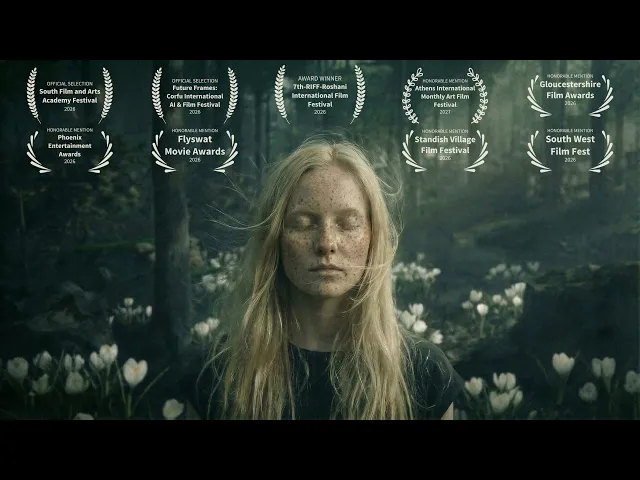
I created this short film with AI while building StandOnIt. It’s a personal introduction to the world behind the practice.
For people with a lot on their mind.
For people with a lot on their mind.
Professionals under pressure
Meetings, deadlines and decisions fill your day. Even when you close the laptop, it can be hard to switch off.
Founders facing another “no”
Rejection and uncertainty come with the work. You want to build resilience and give yourself a moment to reflect before deciding what comes next.
People navigating change
A relocation, a new role or a demanding chapter. You’re looking for a personal ritual that fits into your life and gives you time to notice how you feel.
Professionals under pressure
Meetings, deadlines and decisions fill your day. Even when you close the laptop, it can be hard to switch off.
Founders facing another “no”
Rejection and uncertainty come with the work. You want to build resilience and give yourself a moment to reflect before deciding what comes next.
People navigating change
A relocation, a new role or a demanding chapter. You’re looking for a personal ritual that fits into your life and gives you time to notice how you feel.
What you get
What you get
Your kit includes a Sadhu nail board, a 21-day audio course and beta access to an immersive platform. Together, they give you a clear way to begin and a structure to return to.
Your kit includes a Sadhu nail board, a 21-day audio course and beta access to an immersive platform. Together, they give you a clear way to begin and a structure to return to.
The board
A handcrafted ash Sadhu board with dynamic floating nails. It gives you a physical focus for the practice, with audio guidance to accompany you. Choose the light or dark version — your board is yours to keep.
The board
A handcrafted ash Sadhu board with dynamic floating nails. It gives you a physical focus for the practice, with audio guidance to accompany you. Choose the light or dark version — your board is yours to keep.
The guided path
Follow the course one lesson at a time, with a clear focus, audio guidance and a short reflection. Each lesson takes you through preparation, practice and recovery, so you know what comes next. Allow around 15 minutes for the whole lesson. If you miss a day, pick up where you left off.
The guided path
Follow the course one lesson at a time, with a clear focus, audio guidance and a short reflection. Each lesson takes you through preparation, practice and recovery, so you know what comes next. Allow around 15 minutes for the whole lesson. If you miss a day, pick up where you left off.
Your space to reflect
Inside the immersive platform, you’ll find your lessons, audio and a place to record what you noticed. Your Pattern Map brings your saved check-ins together, so you can revisit your observations and consider what you’d like to try next.
Your space to reflect
Inside the immersive platform, you’ll find your lessons, audio and a place to record what you noticed. Your Pattern Map brings your saved check-ins together, so you can revisit your observations and consider what you’d like to try next.
Track how your thinking changes
Answer a few simple questions
to see how your thoughts and behavior changes over time
Track how your thinking changes
Answer a few simple questions
to see how your thoughts and behavior changes over time
Inside StandOnIt
The platform is where you follow the course and return to your reflections. Each lesson gives you a clear starting point, audio guidance and a short check-in afterwards.
You can put your experience into words without having to write a long journal entry.
Your Pattern Map brings together your saved check-ins. An optional AI reflection lets you explore entries you choose to include. You decide what is useful and what fits your experience.
Inside StandOnIt
The platform is where you follow the course and return to your reflections. Each lesson gives you a clear starting point, audio guidance and a short check-in afterwards.
You can put your experience into words without having to write a long journal entry.
Your Pattern Map brings together your saved check-ins. An optional AI reflection lets you explore entries you choose to include. You decide what is useful and what fits your experience.
The dark board
Thermo-treated ash with copper nails.
The dark board
Thermo-treated ash with copper nails.
The light board
Natural ash with zinc-coated steel nails.
The light board
Natural ash with zinc-coated steel nails.
BETA · LUXEMBOURG
Choose your beta kit.
One complete experience. Two board options.
Both kits include the same 21-day audio course, immersive platform and Pattern Map. Choose your board and help shape StandOnIt with your feedback.


BETA · LUXEMBOURG
Choose your beta kit.
One complete experience. Two board options.
Both kits include the same 21-day audio course, immersive platform and Pattern Map. Choose your board and help shape StandOnIt with your feedback.
BETA · LUXEMBOURG
Choose your beta kit.
One complete experience. Two board options.
Both kits include the same 21-day audio course, immersive platform and Pattern Map. Choose your board and help shape StandOnIt with your feedback.
Slow breathing
Breathwork has been studied as a way to support stress regulation. A 2023 meta-analysis of randomised controlled trials found that breathwork was associated with lower self-reported stress compared with control conditions. The authors also warned against hype: many included studies carried a moderate risk of bias. A 2018 systematic review on slow breathing found evidence linking slow breathing techniques with parasympathetic activity and heart-rate variability. In the practice: breath cues support presence during standing. They are not a treatment. Sources to link: Fincham et al., 2023 — Scientific Reports https://www.nature.com/articles/s41598-022-27247-y Zaccaro et al., 2018 — Frontiers in Human Neuroscience https://www.frontiersin.org/journals/human-neuroscience/articles/10.3389/fnhum.2018.00353/full
Your questions
Answered
Not sure what to expect? These answers might help you feel more confident as you begin
Can I stand on sadhu board?
Sadhu board is generally safe for everyone, but individuals with the following conditions should be mindful of their practice:
Open wounds, recent injuries or surgeries on your feet —> do not practice until you are fully healed
Cardiovascular conditions such as hypertension, arrhythmia, heart failure, risk of thrombosis, etc. —> seek doctor approval first
High anxiety, panic attacks, tendency to faint —> practice with supervision, avoid practicing alone
Pregnancy —> best to avoid unless you have experience and feel comfortable
Can I stand on sadhu board?
Sadhu board is generally safe for everyone, but individuals with the following conditions should be mindful of their practice:
Open wounds, recent injuries or surgeries on your feet —> do not practice until you are fully healed
Cardiovascular conditions such as hypertension, arrhythmia, heart failure, risk of thrombosis, etc. —> seek doctor approval first
High anxiety, panic attacks, tendency to faint —> practice with supervision, avoid practicing alone
Pregnancy —> best to avoid unless you have experience and feel comfortable
What are “Dynamic Nails”?
What are “Dynamic Nails”?
All of our sadhu boards are made with dynamic (floating) nails. This means that each nail can move slightly under pressure and adapt to your foot. This creates a more balanced and responsive reaction within the body.
Materials and Board Care
Materials and Board Care
Our sadhu boards are made using high-quality, all natural materials because the quality of the materials makes a big difference in the outcome of your practice.
Natural Wood:
Our boards are made with ash and thermo ash, both of which are premium hardwoods. Ash is strong, yet slightly flexible, making it more durable than other materials. Thermo ash has been heat treated, making it more resistant to moisture and temperature changes, and therefore longer lasting and more stable over time.
Important note: natural wood is a living material. Avoid excessive exposure to moisture and sunlight. If the board does get wet, let it dry naturally.
Copper Nails:
Copper nails do not rust, naturally oxidize instead of corroding, and are the most safe and reliable for long term use.
How can I clean the boards?
How can I clean the boards?
For everyday care, gently remove dust from between the nails with a soft, long-bristled brush, keeping your fingers clear of the tips. Wipe the wooden surfaces with a soft, barely damp cloth, then dry them immediately.
Do not soak the boards or use abrasive cleaners. Let them dry fully before storing them in a dry place.
For disinfecting the nails, use only a product and method recommended by the board maker for your model.
Is it safe?
Is it safe?
Yes — when used as guided. You start with short durations (from 1 minute) and you can gradually increase if you want. The goal is not to endure pain. It’s to observe your reaction to it.
Is it supposed to hurt?
Is it supposed to hurt?
Yes — and that’s the point. Not extreme pain, but discomfort. That moment when your brain says “stop” is exactly what we are training.
What if I can’t stand it for long?
What if I can’t stand it for long?
Perfect. This experiment is not about how long you last. It’s about what happens in your mind when you want to quit. Even 1 min is enough to start.
How is this different from meditation or therapy?
How is this different from meditation or therapy?
Most practices avoid discomfort. This one uses it. You don’t imagine stress — you experience it in a controlled way.
Does this actually change anything?
Does this actually change anything?
Yes — if you engage with the process. You are not just standing on the board. You are observing, reflecting, and repeating. That’s what creates change.
Will this help me in real life?
Will this help me in real life?
It may. The aim is to help you notice your response to pressure and consider what you want to do next.
After a practice, you can ask: “Where else does this show up in my day?” Perhaps you rush to answer a message, hold back in a difficult conversation, or feel discouraged after another “no”.
Your reflection gives you a chance to choose one small thing to try next time: pause before replying, ask for help, or give yourself time to decide.
Do I need any experience?
Do I need any experience?
No. This is designed for beginners.
You only need:
curiosity
willingness to observe yourself
What if I skip a day?
What if I skip a day?
Just continue. This is not about perfection. It’s about awareness and repetition.
What exactly will I get at the end?
What exactly will I get at the end?
You’ll have your Pattern Map: a record of the check-ins you chose to save throughout the course.
Still thinking about it?
Still thinking about it?
The only way to understand this is to experience it.
Your questions
Answered
Not sure what to expect? These answers might help you feel more confident as you begin
Can I stand on sadhu board?
Sadhu board is generally safe for everyone, but individuals with the following conditions should be mindful of their practice:
Open wounds, recent injuries or surgeries on your feet —> do not practice until you are fully healed
Cardiovascular conditions such as hypertension, arrhythmia, heart failure, risk of thrombosis, etc. —> seek doctor approval first
High anxiety, panic attacks, tendency to faint —> practice with supervision, avoid practicing alone
Pregnancy —> best to avoid unless you have experience and feel comfortable
Can I stand on sadhu board?
Sadhu board is generally safe for everyone, but individuals with the following conditions should be mindful of their practice:
Open wounds, recent injuries or surgeries on your feet —> do not practice until you are fully healed
Cardiovascular conditions such as hypertension, arrhythmia, heart failure, risk of thrombosis, etc. —> seek doctor approval first
High anxiety, panic attacks, tendency to faint —> practice with supervision, avoid practicing alone
Pregnancy —> best to avoid unless you have experience and feel comfortable
What are “Dynamic Nails”?
What are “Dynamic Nails”?
All of our sadhu boards are made with dynamic (floating) nails. This means that each nail can move slightly under pressure and adapt to your foot. This creates a more balanced and responsive reaction within the body.
Materials and Board Care
Materials and Board Care
Our sadhu boards are made using high-quality, all natural materials because the quality of the materials makes a big difference in the outcome of your practice.
Natural Wood:
Our boards are made with ash and thermo ash, both of which are premium hardwoods. Ash is strong, yet slightly flexible, making it more durable than other materials. Thermo ash has been heat treated, making it more resistant to moisture and temperature changes, and therefore longer lasting and more stable over time.
Important note: natural wood is a living material. Avoid excessive exposure to moisture and sunlight. If the board does get wet, let it dry naturally.
Copper Nails:
Copper nails do not rust, naturally oxidize instead of corroding, and are the most safe and reliable for long term use.
How can I clean the boards?
How can I clean the boards?
For everyday care, gently remove dust from between the nails with a soft, long-bristled brush, keeping your fingers clear of the tips. Wipe the wooden surfaces with a soft, barely damp cloth, then dry them immediately.
Do not soak the boards or use abrasive cleaners. Let them dry fully before storing them in a dry place.
For disinfecting the nails, use only a product and method recommended by the board maker for your model.
Is it safe?
Is it safe?
Yes — when used as guided. You start with short durations (from 1 minute) and you can gradually increase if you want. The goal is not to endure pain. It’s to observe your reaction to it.
Is it supposed to hurt?
Is it supposed to hurt?
Yes — and that’s the point. Not extreme pain, but discomfort. That moment when your brain says “stop” is exactly what we are training.
What if I can’t stand it for long?
What if I can’t stand it for long?
Perfect. This experiment is not about how long you last. It’s about what happens in your mind when you want to quit. Even 1 min is enough to start.
How is this different from meditation or therapy?
How is this different from meditation or therapy?
Most practices avoid discomfort. This one uses it. You don’t imagine stress — you experience it in a controlled way.
Does this actually change anything?
Does this actually change anything?
Yes — if you engage with the process. You are not just standing on the board. You are observing, reflecting, and repeating. That’s what creates change.
Will this help me in real life?
Will this help me in real life?
It may. The aim is to help you notice your response to pressure and consider what you want to do next.
After a practice, you can ask: “Where else does this show up in my day?” Perhaps you rush to answer a message, hold back in a difficult conversation, or feel discouraged after another “no”.
Your reflection gives you a chance to choose one small thing to try next time: pause before replying, ask for help, or give yourself time to decide.
Do I need any experience?
Do I need any experience?
No. This is designed for beginners.
You only need:
curiosity
willingness to observe yourself
What if I skip a day?
What if I skip a day?
Just continue. This is not about perfection. It’s about awareness and repetition.
What exactly will I get at the end?
What exactly will I get at the end?
You’ll have your Pattern Map: a record of the check-ins you chose to save throughout the course.
Still thinking about it?
Still thinking about it?
The only way to understand this is to experience it.
Your questions
Answered
Not sure what to expect? These answers might help you feel more confident as you begin
Can I stand on sadhu board?
Sadhu board is generally safe for everyone, but individuals with the following conditions should be mindful of their practice:
Open wounds, recent injuries or surgeries on your feet —> do not practice until you are fully healed
Cardiovascular conditions such as hypertension, arrhythmia, heart failure, risk of thrombosis, etc. —> seek doctor approval first
High anxiety, panic attacks, tendency to faint —> practice with supervision, avoid practicing alone
Pregnancy —> best to avoid unless you have experience and feel comfortable
Can I stand on sadhu board?
Sadhu board is generally safe for everyone, but individuals with the following conditions should be mindful of their practice:
Open wounds, recent injuries or surgeries on your feet —> do not practice until you are fully healed
Cardiovascular conditions such as hypertension, arrhythmia, heart failure, risk of thrombosis, etc. —> seek doctor approval first
High anxiety, panic attacks, tendency to faint —> practice with supervision, avoid practicing alone
Pregnancy —> best to avoid unless you have experience and feel comfortable
What are “Dynamic Nails”?
What are “Dynamic Nails”?
All of our sadhu boards are made with dynamic (floating) nails. This means that each nail can move slightly under pressure and adapt to your foot. This creates a more balanced and responsive reaction within the body.
Materials and Board Care
Materials and Board Care
Our sadhu boards are made using high-quality, all natural materials because the quality of the materials makes a big difference in the outcome of your practice.
Natural Wood:
Our boards are made with ash and thermo ash, both of which are premium hardwoods. Ash is strong, yet slightly flexible, making it more durable than other materials. Thermo ash has been heat treated, making it more resistant to moisture and temperature changes, and therefore longer lasting and more stable over time.
Important note: natural wood is a living material. Avoid excessive exposure to moisture and sunlight. If the board does get wet, let it dry naturally.
Copper Nails:
Copper nails do not rust, naturally oxidize instead of corroding, and are the most safe and reliable for long term use.
How can I clean the boards?
How can I clean the boards?
For everyday care, gently remove dust from between the nails with a soft, long-bristled brush, keeping your fingers clear of the tips. Wipe the wooden surfaces with a soft, barely damp cloth, then dry them immediately.
Do not soak the boards or use abrasive cleaners. Let them dry fully before storing them in a dry place.
For disinfecting the nails, use only a product and method recommended by the board maker for your model.
Is it safe?
Is it safe?
Yes — when used as guided. You start with short durations (from 1 minute) and you can gradually increase if you want. The goal is not to endure pain. It’s to observe your reaction to it.
Is it supposed to hurt?
Is it supposed to hurt?
Yes — and that’s the point. Not extreme pain, but discomfort. That moment when your brain says “stop” is exactly what we are training.
What if I can’t stand it for long?
What if I can’t stand it for long?
Perfect. This experiment is not about how long you last. It’s about what happens in your mind when you want to quit. Even 1 min is enough to start.
How is this different from meditation or therapy?
How is this different from meditation or therapy?
Most practices avoid discomfort. This one uses it. You don’t imagine stress — you experience it in a controlled way.
Does this actually change anything?
Does this actually change anything?
Yes — if you engage with the process. You are not just standing on the board. You are observing, reflecting, and repeating. That’s what creates change.
Will this help me in real life?
Will this help me in real life?
It may. The aim is to help you notice your response to pressure and consider what you want to do next.
After a practice, you can ask: “Where else does this show up in my day?” Perhaps you rush to answer a message, hold back in a difficult conversation, or feel discouraged after another “no”.
Your reflection gives you a chance to choose one small thing to try next time: pause before replying, ask for help, or give yourself time to decide.
Do I need any experience?
Do I need any experience?
No. This is designed for beginners.
You only need:
curiosity
willingness to observe yourself
What if I skip a day?
What if I skip a day?
Just continue. This is not about perfection. It’s about awareness and repetition.
What exactly will I get at the end?
What exactly will I get at the end?
You’ll have your Pattern Map: a record of the check-ins you chose to save throughout the course.
Still thinking about it?
Still thinking about it?
The only way to understand this is to experience it.
FIRST BETA · LUXEMBOURG
Help shape
StandOnIt®
I’m inviting 11 adults who live or work in Luxembourg to try the first version of StandOnIt.
A guided physical ritual for practising how to notice your reactions and choose your next move under pressure.
€200 & €250 for the complete beta kit:
a Sadhu nail board, a 21-day audio course and access to the immersive platform.
You’ll try the experience and share honest feedback about what works and what needs improving.
Apply below. I’ll email you personally with the start date, practical details and purchase terms before you decide to join.
FIRST BETA · LUXEMBOURG
Help shape
StandOnIt®
I’m inviting 11 adults who live or work in Luxembourg to try the first version of StandOnIt.
A guided physical ritual for practising how to notice your reactions and choose your next move under pressure.
€200 & €250 for the complete beta kit:
a Sadhu nail board, a 21-day audio course and access to the immersive platform.
You’ll try the experience and share honest feedback about what works and what needs improving.
Apply below. I’ll email you personally with the start date, practical details and purchase terms before you decide to join.
FIRST BETA · LUXEMBOURG
Help shape
StandOnIt®
I’m inviting 11 adults who live or work in Luxembourg to try the first version of StandOnIt.
A guided physical ritual for practising how to notice your reactions and choose your next move under pressure.
€200 & €250 for the complete beta kit:
a Sadhu nail board, a 21-day audio course and access to the immersive platform.
You’ll try the experience and share honest feedback about what works and what needs improving.
Apply below. I’ll email you personally with the start date, practical details and purchase terms before you decide to join.